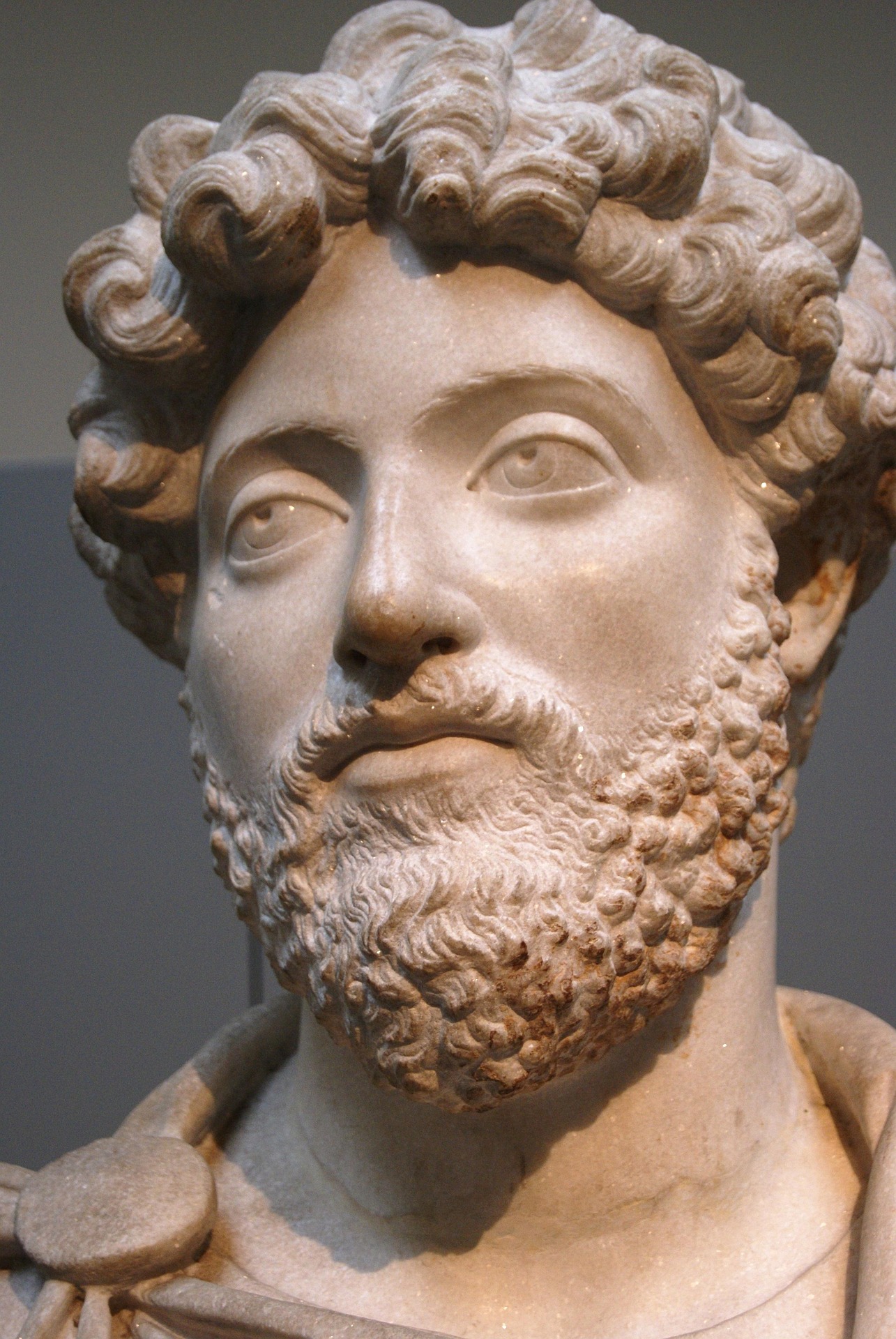
XIII. In my father, I observed his meekness; his constancy without wavering in those things, which after a due examination and deliberation, he had determined. How free from all vanity he carried himself in matter of honour and dignity, (as they are esteemed:) his laboriousness and assiduity, his readiness to hear any man, that had aught to say tending to any common good: how generally and impartially he would give every man his due; his skill and knowledge, when rigour or extremity, or when remissness or moderation was in season; how he did abstain from all unchaste love of youths; his moderate condescending to other men's occasions as an ordinary man, neither absolutely requiring of his friends, that they should wait upon him at his ordinary meals, nor that they should of necessity accompany him in his journeys; and that whensoever any business upon some necessary occasions was to be put off and omitted before it could be ended, he was ever found when he went about it again, the same man that he was before. His accurate examination of things in consultations, and patient hearing of others. He would not hastily give over the search of the matter, as one easy to be satisfied with sudden notions and apprehensions. His care to preserve his friends; how neither at any time he would carry himself towards them with disdainful neglect, and grow weary of them; nor yet at any time be madly fond of them. His contented mind in all things, his cheerful countenance, his care to foresee things afar off, and to take order for the least, without any noise or clamour. Moreover how all acclamations and flattery were repressed by him: how carefully he observed all things necessary to the government, and kept an account of the common expenses, and how patiently he did abide that he was reprehended by some for this his strict and rigid kind of dealing. How he was neither a superstitious worshipper of the gods, nor an ambitious pleaser of men, or studious of popular applause; but sober in all things, and everywhere observant of that which was fitting; no affecter of novelties: in those things which conduced to his ease and convenience, (plenty whereof his fortune did afford him,) without pride and bragging, yet with all freedom and liberty: so that as he did freely enjoy them without any anxiety or affectation when they were present; so when absent, he found no want of them. Moreover, that he was never commended by any man, as either a learned acute man, or an obsequious officious man, or a fine orator; but as a ripe mature man, a perfect sound man; one that could not endure to be flattered; able to govern both himself and others. Moreover, how much he did honour all true philosophers, without upbraiding those that were not so; his sociableness, his gracious and delightful conversation, but never unto satiety; his care of his body within bounds and measure, not as one that desired to live long, or over-studious of neatness, and elegancy; and yet not as one that did not regard it: so that through his own care and providence, he seldom needed any inward physic, or outward applications: but especially how ingeniously he would yield to any that had obtained any peculiar faculty, as either eloquence, or the knowledge of the laws, or of ancient customs, or the like; and how he concurred with them, in his best care and endeavour that every one of them might in his kind, for that wherein he excelled, be regarded and esteemed: and although he did all things carefully after the ancient customs of his forefathers, yet even of this was he not desirous that men should take notice, that he did imitate ancient customs. Again, how he was not easily moved and tossed up and down, but loved to be constant, both in the same places and businesses; and how after his great fits of headache he would return fresh and vigorous to his wonted affairs. Again, that secrets he neither had many, nor often, and such only as concerned public matters: his discretion and moderation, in exhibiting of the public sights and shows for the pleasure and pastime of the people: in public buildings. congiaries, and the like. In all these things, having a respect unto men only as men, and to the equity of the things themselves, and not unto the glory that might follow. Never wont to use the baths at unseasonable hours; no builder; never curious, or solicitous, either about his meat, or about the workmanship, or colour of his clothes, or about anything that belonged to external beauty. In all his conversation, far from all inhumanity, all boldness, and incivility, all greediness and impetuosity; never doing anything with such earnestness, and intention, that a man could say of him, that he did sweat about it: but contrariwise, all things distinctly, as at leisure; without trouble; orderly, soundly, and agreeably. A man might have applied that to him, which is recorded of Socrates, that he knew how to want, and to enjoy those things, in the want whereof, most men show themselves weak; and in the fruition, intemperate: but to hold out firm and constant, and to keep within the compass of true moderation and sobriety in either estate, is proper to a man, who hath a perfect and invincible soul; such as he showed himself in the sickness of Maximus.
마르쿠스 아우렐리우스, 『명상록』 읽기
오늘의 문장 (원문)
"Never doing anything with such earnestness, and intention, that a man could say of him, that he did sweat about it: but contrariwise, all things distinctly, as at leisure; without trouble; orderly, soundly, and agreeably."
한국어 번역
"그는 그 어떤 일도 '식은땀을 흘린다'고 말할 정도로 지나치게 필사적으로 매달리지 않았습니다. 대신 그는 모든 일을 마치 여가 시간을 보내듯 여유롭지만 명확하게, 소란스럽지 않으면서도 질서 정연하고 온화하게 처리했습니다."
문장 해석
(1) 철학적 의미
마르쿠스 아우렐리우스는 자신의 양아버지이자 황제였던 안토니누스 피우스의 태도를 회상하며 이 글을 적었습니다. 스토아 철학에서 이상적으로 여기는 통치자의 모습은, 과도한 열정이나 강박에 휘둘리지 않고 이성(Logos)에 따라 차분하게 직무를 수행하는 것입니다. 여기서 '땀을 흘린다(sweat about it)'는 표현은 육체적인 노동이 아니라, 마음의 평정을 잃고 허둥지둥 대거나 결과에 집착하여 자신을 갉아먹는 상태를 경계하는 은유입니다.
(2) 삶의 태도
이 문장은 삶의 복잡한 문제들 앞에서 우리가 가져야 할 감정적 태도를 보여줍니다. 중요한 일이라고 해서 반드시 미간을 찌푸리거나 숨을 헐떡이며 자신을 몰아세울 필요는 없습니다. 진정한 유능함은 긴박한 상황에서도 내면의 고요를 유지하며, 상황을 통제할 수 있는 차분함에서 나옵니다. 과도한 비장함보다는 부드러운 꾸준함이 삶을 더 단단하게 만듭니다.
(3) 현대적 적용
현대 사회는 우리에게 치열함을 강요합니다. 야근과 경쟁 속에서 우리는 무언가에 쫓기듯 '식은땀'을 흘리며 하루를 보냅니다. 하지만 이러한 강박은 만성적인 스트레스와 번아웃의 지름길입니다. 업무를 처리할 때 잠시 숨을 고르고, 마치 여유로운 취미 생활을 하듯 하나씩 또렷하게(distinctly) 처리하는 태도가 필요합니다. 일의 결과보다 일을 대하는 나의 마음가짐을 먼저 정돈할 때, 우리는 일상에 함몰되지 않고 주도권을 쥘 수 있습니다.
삶에 적용하기
지금 당신의 책상 위, 혹은 마음속에 엉켜 있는 일들을 떠올려보세요. 쫓기듯 허겁지겁 처리하려던 태도를 잠시 멈추고, 호흡을 가다듬어 봅니다. 오늘 해야 할 일을 순서대로 나열하되, 비장한 각오 대신 "하나씩 차분하게 해결하면 된다"는 가벼운 마음을 가져보세요. 아이러니하게도 힘을 뺄수록 일의 핵심은 더 명확해지고, 마음의 소란은 잦아듭니다.
오늘의 질문
"지금 당신은 일을 해결하기 위해 노력하고 있나요, 아니면 단지 불안을 잠재우기 위해 자신을 혹사하고 있나요?"
출처
Marcus Aurelius, Meditations, Book 1. XIII. (Based on the Public Domain text provided by Project Gutenberg).
'명상록' 카테고리의 다른 글
| 1-15. 출근길, 무례한 사람들 때문에 벌써 지친 당신에게 ★ (0) | 2026.01.26 |
|---|---|
| 1-14. 욱하는 성격 때문에 자책하는 당신에게 : 감정의 불길 잡기 ★ (1) | 2026.01.26 |
| 1-12. 흔들리는 세상에서 나를 잃지 않는 법 (1) | 2026.01.25 |
| 1-11. "친구들이 나를 사랑한다고 확신하라" 그가 남긴 조언 (0) | 2026.01.24 |
| 1-10. 부당한 비난을 하는 친구를 다시 사랑하는 법 (0) | 2026.01.24 |


