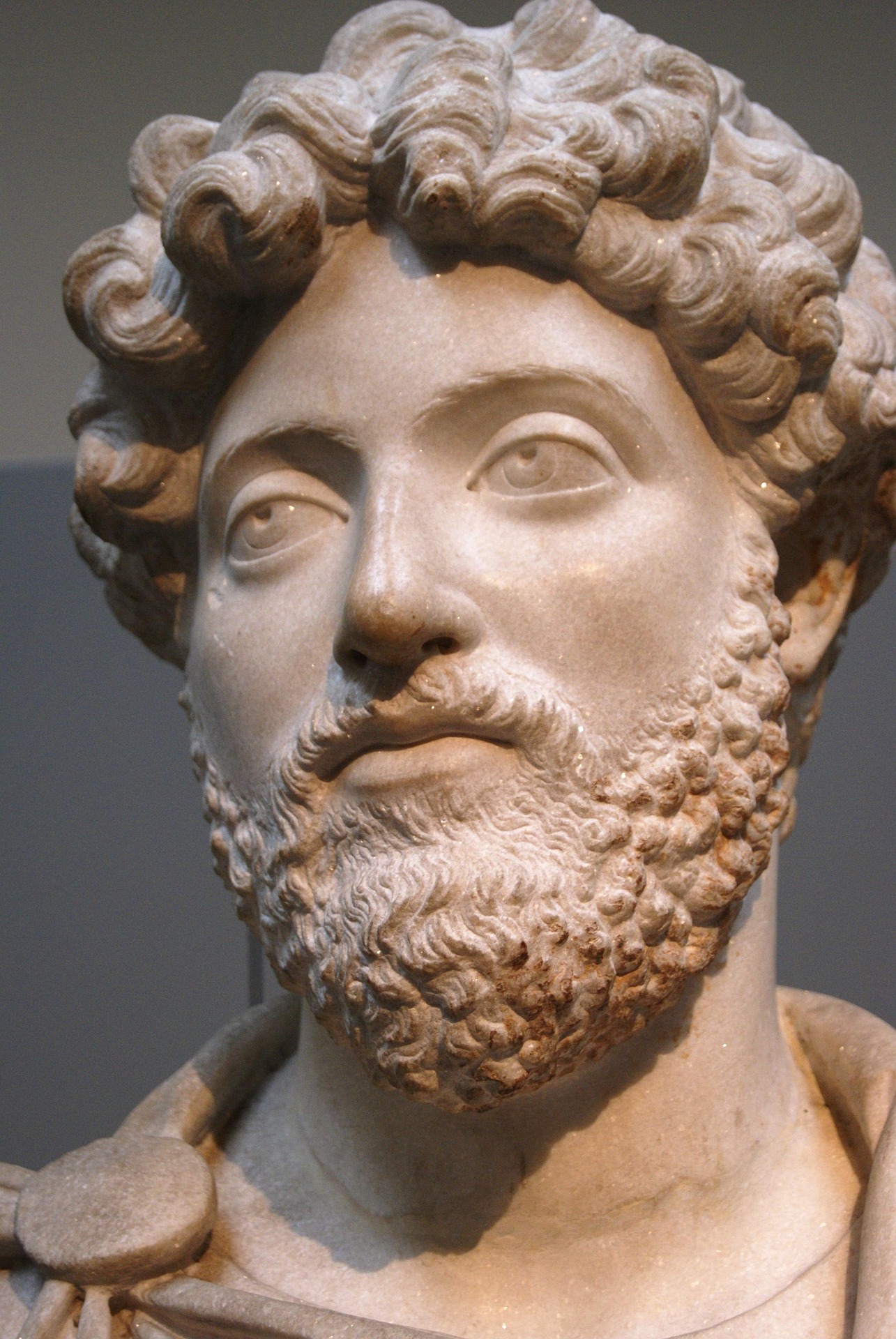
VI. Of Sextus, mildness and the pattern of a family governed with paternal affection; and a purpose to live according to nature: to be grave without affectation: to observe carefully the several dispositions of my friends, not to be offended with idiots, nor unseasonably to set upon those that are carried with the vulgar opinions, with the theorems, and tenets of philosophers: his conversation being an example how a man might accommodate himself to all men and companies; so that though his company were sweeter and more pleasing than any flatterer's cogging and fawning; yet was it at the same time most respected and reverenced: who also had a proper happiness and faculty, rationally and methodically to find out, and set in order all necessary determinations and instructions for a man's life. A man without ever the least appearance of anger, or any other passion; able at the same time most exactly to observe the Stoic Apathia, or unpassionateness, and yet to be most tender-hearted: ever of good credit; and yet almost without any noise, or rumour: very learned, and yet making little show.
마르쿠스 아우렐리우스, 『명상록』 읽기
오늘의 문장 (원문)
"A man without ever the least appearance of anger, or any other passion; able at the same time most exactly to observe the Stoic Apathia, or unpassionateness, and yet to be most tender-hearted."
한국어 번역
"그는 분노나 격렬한 감정의 기색을 전혀 내비치지 않으면서도, 동시에 누구보다 깊은 다정함을 지닌 사람이었다. 감정에 휘둘리지 않는 완벽한 평정심(Apathia)을 유지하면서도, 가장 따뜻한 가슴을 가질 수 있음을 보여준 산 증인이었다."
문장 해석
마르쿠스 아우렐리우스는 스승 섹스투스를 회상하며 스토아 철학의 가장 오해하기 쉬운 개념인 '아파테이아(Apatheia, 부동심)'의 진정한 의미를 설명합니다. 흔히 스토아 철학자라고 하면 감정이 메마른 냉혈한을 떠올리기 쉽습니다. 하지만 아우렐리우스가 목격한 진정한 현자는 '분노가 없는 상태'와 '사랑이 넘치는 상태'를 동시에 구현했습니다.
이는 모순이 아닙니다. 진정한 평정심이란 감정을 억누르거나 없애는 것이 아니라, 분노나 질투 같은 파괴적인 열정을 정화하여 그 빈자리를 타인에 대한 깊은 이해와 연민으로 채우는 것이기 때문입니다. 즉, 나 자신에게는 엄격하여 평온을 유지하되, 타인에게는 한없이 부드러운 '외유내강(外柔內剛)'의 극치입니다.
삶에 적용하기
우리는 종종 "내가 화내는 건 너에게 관심이 있어서야"라며 자신의 감정 폭발을 정당화하거나, 반대로 침착함을 유지하기 위해 타인에게 무관심해지는 실수를 범하곤 합니다. 일터에서도 '유능함'과 '친절함'은 양립하기 어렵다고 믿기도 합니다.
하지만 이 문장은 우리에게 더 높은 차원의 성숙을 요구합니다. 문제가 생겼을 때 흥분하여 소리치지 않고도 상황을 해결하는 냉철함, 그리고 그 과정에서 상대방의 마음이 다치지 않도록 배려하는 따뜻함은 공존해야 합니다. 감정의 기복이 없다는 것은 지루한 것이 아니라, 언제나 일관되게 타인을 품어줄 준비가 되어 있다는 뜻입니다. 가장 강한 사람은 큰 소리를 내는 사람이 아니라, 고요한 미소 속에 흔들리지 않는 중심을 잡고 있는 사람입니다.
오늘의 질문
"당신은 화를 내면 차가운 사람으로 보일까 봐, 혹은 다정하게 대하면 만만한 사람으로 보일까 봐 걱정하고 있지는 않나요? 냉철한 이성과 따뜻한 다정함을 동시에 가질 수 있다면, 오늘 당신의 태도는 어떻게 달라질까요?"
출처
Marcus Aurelius, Meditations, Book 1. (Based on the Public Domain text provided by Project Gutenberg).
'명상록' 카테고리의 다른 글
| 1-8. 높은 자리에 오를수록 잃어버리기 쉬운 것들, '사람의 온기' (0) | 2026.01.24 |
|---|---|
| 1-7. 무안 주지 않고 사람을 변화시키는 '품격 있는 대화법' (0) | 2026.01.24 |
| 1-5. 폭풍우 속에서도 나를 잃지 않는 법, '부동심(不動心)' (0) | 2026.01.24 |
| 1-4. 쏟아지는 정보 속에서 길을 잃지 않는 법, '깊이 읽기' (0) | 2026.01.24 |
| 1-3. 타인의 말에 휘둘리지 않는 단단한 마음 (0) | 2026.01.24 |


